Welcome to a new episode of Integration or ReImmigration, I’m immigration lawyer Fabio Loscerbo.
Today, for my U.S. audience, I want to explain a debate now emerging in Italy that has implications far beyond Italy.
A proposal linked to Italy’s 2026 immigration reform still relies, in part, on a familiar idea: that five years of legal residence can be treated as a benchmark for more stable immigration status.
My argument is simple: time alone is a weak legal standard.
Living in a country for five years does not automatically prove integration. It tells us duration, but not belonging. It does not show whether a person has built social ties, entered the workforce, learned the language, or respected the civic rules of the host society.
That is why I argue the real reform should be different: replace a time-based model with an integration-based model.
In Italy, we already have something called an Integration Agreement, and I believe this should become the central criterion. Not “How long have you been here?” but “Have you integrated?”
For an American audience, think of this as shifting immigration law from a passive residency test toward a civic performance standard.
And this matters in practice. It would affect residence permits, humanitarian protection, and long-term immigration policy itself.
This is also where my broader framework — Integration or ReImmigration — comes in.
The principle is straightforward: those who integrate should remain; where integration fails, return policies become part of the system.
That, in my view, is a more coherent model than treating time alone as entitlement.
And perhaps that is the broader lesson, not only for Italy, but for Western immigration law generally.
Thank you for listening, and I’ll see you in the next episode of Integration or ReImmigration.

Protezione complementare e nuovo Patto UE: a Bologna un corso di formazione nel giorno dell’entrata in vigore dei regolamenti europei
Il 12 giugno 2026 si è svolto a Bologna, presso la Sala Consiliare “Rosario Angelo Livatino” del Quartiere Borgo Panigale-Reno, il corso di formazione giuridica dedicato a “La predisposizione della domanda di protezione complementare”, accreditato dal Consiglio dell’Ordine degli Avvocati di Bologna con il riconoscimento di due crediti formativi.L’iniziativa ha assunto un significato particolare poiché…

Remigrazione e Riconquista: perché manca la parola più importante, integrazione
La manifestazione nazionale per la Remigrazione convocata a Roma rappresenta un fatto politico rilevante. Per la prima volta, infatti, una parte del mondo associativo e militante italiano porta apertamente nello spazio pubblico il tema della remigrazione come risposta alla crisi delle politiche migratorie. Occorre riconoscere un dato di realtà: il problema esiste. Dopo decenni di…

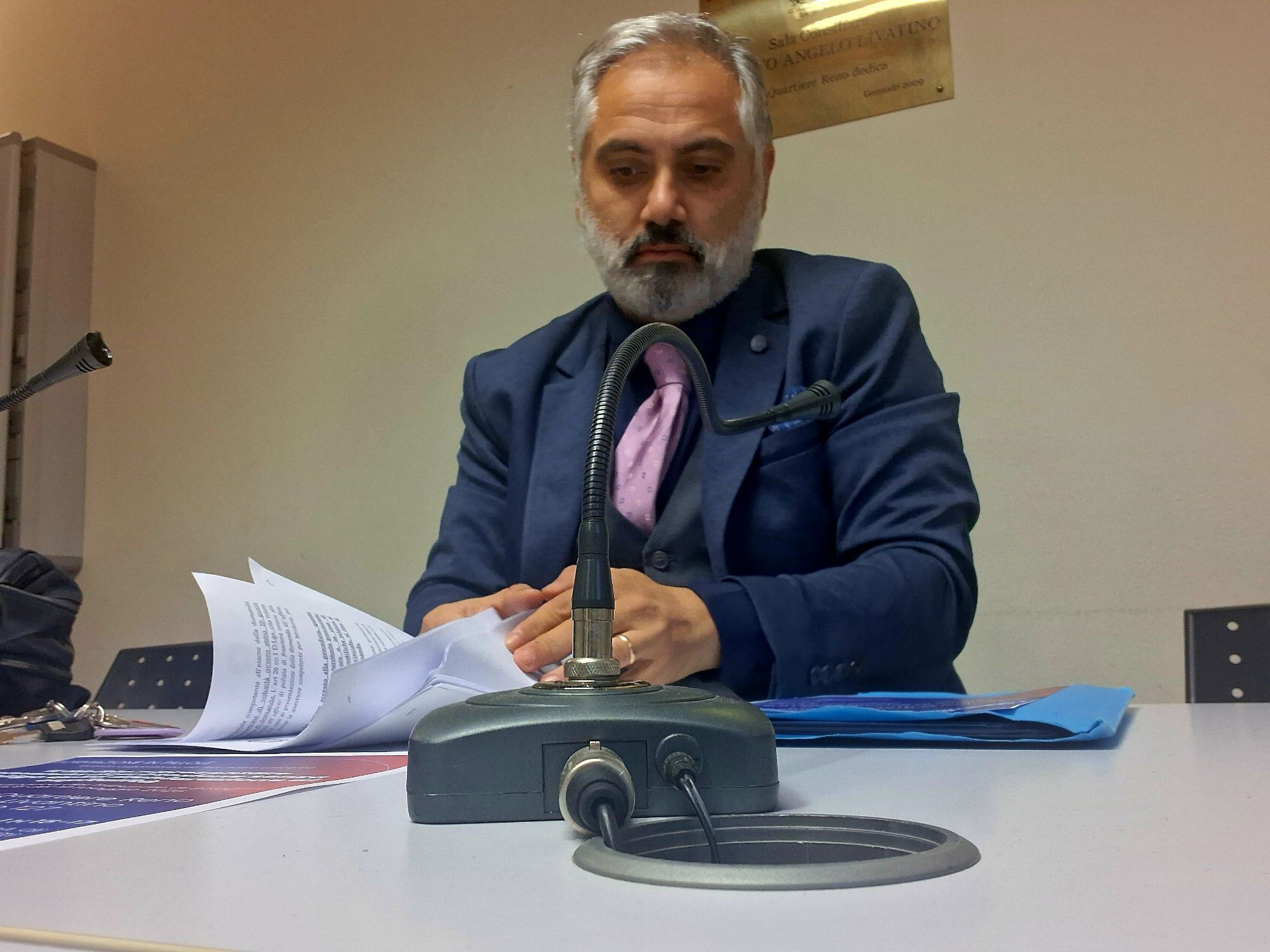

- Protezione complementare e nuovo Patto UE: a Bologna un corso di formazione nel giorno dell’entrata in vigore dei regolamenti europei
- Remigrazione e Riconquista: perché manca la parola più importante, integrazione
- Der italienische Kassationsgerichtshof sagt: Integration muss bei Abschiebungen berücksichtigt werden
- La Remigrazione non basta: il vero problema è l’assenza di una politica dell’integrazione
- La decisione del giudice federale John J. McConnell Jr. (U.S. District Court for the District of Rhode Island) e il tema dell’integrazione nelle politiche migratorie

Lascia un commento